How I Went from Broke to Booked in One Month
Two years ago, I was broke.
No degree.
No industry connections.
No professional portfolio.
I owned an old laptop that freezes if I changed tabs too many times, a Wi-Fi connection that dropped every couple of hours, and absolutely no idea where to start. But I did have one thing: strong conviction that if I learned the right skills and positioned myself correctly, this remote work thing could work. In retrospect, the biggest reason why I went from zero to have made $1,000 in my first month, was not ability or luck. It was the fact that I had a clear plan and executed on it, keeping it simple and straightforward. Here’s exactly what I did and what you can do too.
Step 1: I Stopped Applying and Started Positioning
When you’re new to freelancing or remote work, the first instinct is to apply to every job posting you can find. That’s what I did for the first few weeks and it went nowhere.
Then I made a key shift:
Stop thinking like a job seeker. Start thinking like a service provider.
Rather than pursuing every opportunity that came my way, I opted to become the clear choice for a specific kind of client. I also chose a niche that I was personally interested in: content writing for remote-first businesses.
I wasn’t an expert but I knew that I could write clear, helpful and understandable content.
Here’s how I built my positioning in just a few days:
- Researched winning examples : I Googled “best freelance writing samples” to understand what clients actually liked.
- Created my first 3 portfolio pieces :I wrote blog posts on trending topics in the remote work niche. I used free tools like Grammarly and Hemingway to polish them.
- Published them on Medium.com : This gave me a clean, fast-loading portfolio that also had a chance to show up in search results.
- Wrote my one-line pitch : “I help remote-first companies create SEO-rich content that ranks and converts.”
This pitch became the foundation of every outreach message I sent.
Step 2: I Hunted My First Client Like It Was My Only Option
A lot of freelancers send out hundreds of generic emails and hope something sticks. I went in the opposite direction. I carefully chose 10 businesses that I actually wanted to work with and researched them deeply.
Most were in the remote work space, productivity apps, time-tracking software, and remote job boards.
My process looked like this:
- Step 1: Read through their blogs and noted topics they hadn’t covered.
- Step 2: Checked if they had content gaps missing beginner-friendly posts, no case studies, or a tone that felt too robotic.
- Step 3: Wrote a short, tailored pitch for each one.
Here’s an example:
“Hi [ELMA], I’ve been following [Infra] and love how you’re helping remote teams work smarter. I noticed you don’t have an article on [Remote Jobs]. I wrote a sample draft here. happy to create a full piece if it’s useful to your audience.”
Because I was specific and offered value upfront, my reply rate was much higher than I expected:
- Emails sent: 10
- Replies received: 4
- First paid gig: $100 blog post
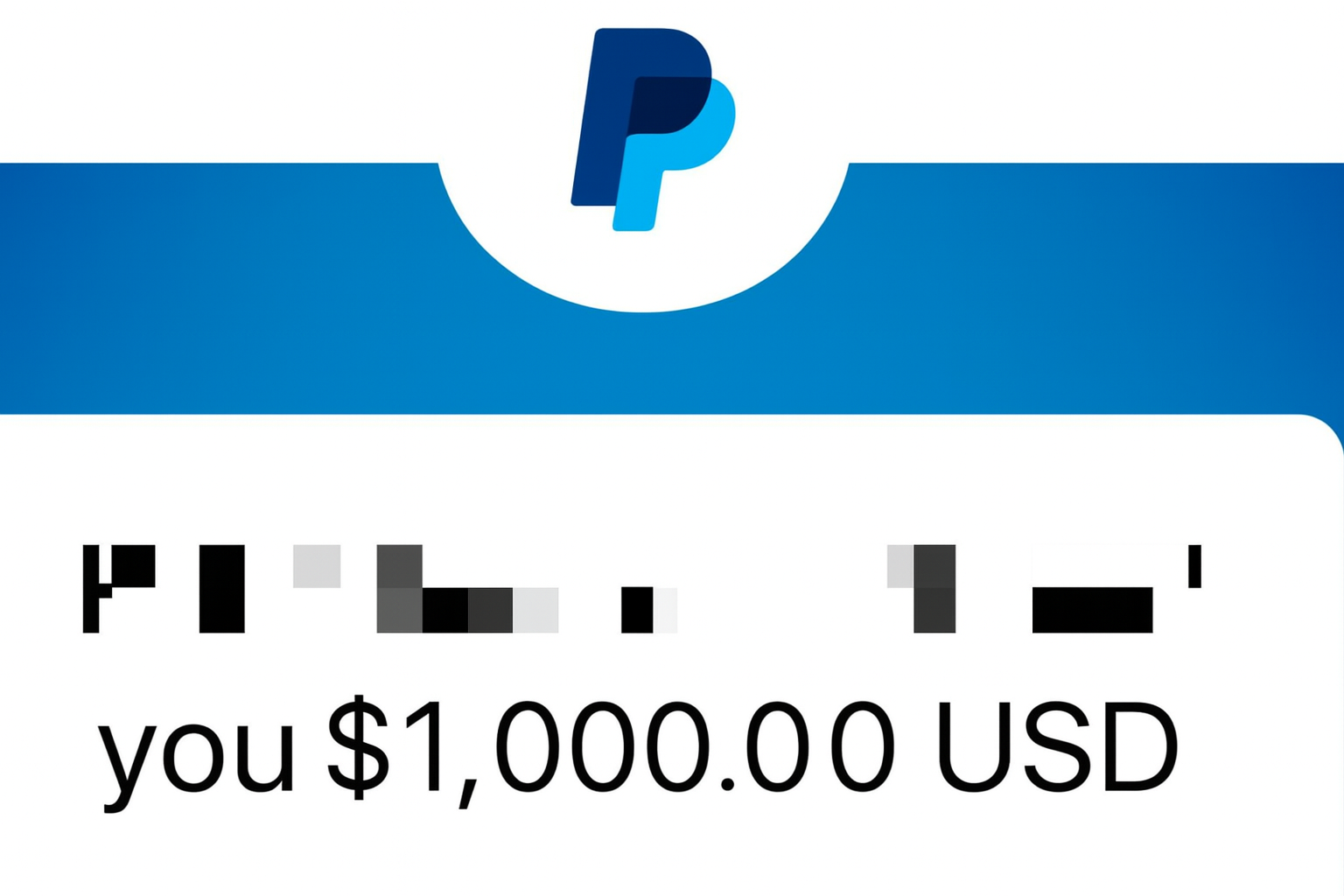
- First-month total: $1,000 from 4 different clients
That first PayPal notification felt unreal. money earned entirely online, without a degree or prior experience.
Step 3: I Used Free Platforms to Build Momentum
I didn’t rely on Upwork or Fiverr. I wanted to avoid competing with hundreds of freelancers for low rates. Instead, I built my own simple client-getting system using tools anyone can access:
| Platform | Purpose |
|---|---|
| Medium.com | Hosted my portfolio and brought organic traffic |
| Reddit (r/freelance) | Found leads and got insider tips |
| Sent manual outreach messages and connected with potential clients | |
| Google Docs + Notion | Managed client work and tracked deliverables |
No fancy software. No ads. Just consistency and a willingness to reach out to people directly.
Step 4: Real Tips to Land Your First $1,000 Without a Degree
After going through this myself, here are the most important takeaways if you’re starting from scratch:
1. Choose a niche quickly
If you say you’re a “freelancer” without specifics, you blend in with thousands of others. Instead, position yourself as a specialist for example:
- A remote productivity writer for SaaS blogs
- An email copywriter for online course creators
- A graphic designer for tech startups
2. Write for free but only strategically
Don’t spend months doing unpaid work. Pick 2–3 companies you’d love to work with, create content that fills a gap in their strategy, and use it as your pitch.
3. Build a small, strong portfolio
You don’t need dozens of samples. Three high-quality, relevant pieces will work better than a long list of average work.
4. Send fewer, better emails
Ten researched pitches will consistently outperform a hundred copy-paste emails every time. Each email should focus on the company, not yourself.
5. Track your outreach
Use a simple spreadsheet to keep track of:
- Who you contacted
- What you sent them
- When you followed up
- Whether they replied
This keeps you organized and helps you see which approaches the best work for you.
Step 5: Keep Learning and Improving
Once you have secured your first few clients, it may be easy to fall into the trap of believing that the learning stops here; however, the freelancers that have the fastest upward trajectory are those that continue to upgrade their skills.
Here are free resources that helped me:
- Coursera & HubSpot Academy : Marketing and SEO basics
- YouTube: Search for tutorials from creators like Ali Abdaal or Vanessa Lau
- Podcasts: “The Freelance Friday Podcast” and “Smart Passive Income”
By spending an hour a day learning, I was able to increase my rates and offer more value over time.
📎 Helpful Resources for Remote Job Seekers
Remote Workforce Tools:
Looking to optimize your workflow once you land the job?
→ Check out the best cloud-based workforce tools for 2025
Remote Job Boards:
→ RemoteOK
→ We Work Remotely
→ NoDesk
FAQs
Q: Can I really get a remote job without a degree in 2025?
Yes. Many companies now hire people based on skills and portfolio instead of formal education. If you can show results, you’ll be considered easily.
Q: How long does it take to earn $1,000?
For me, it took about 30 days once I focused on outreaching clients. Your results may vary, but consistent action speeds things up.
Q: What skills should I learn first?
Focus on one service you can deliver well like writing, design, or social media management. Then learn enough about marketing to pitch it effectively.
Final Word: No Degree ≠ No Limit
The internet doesn’t care about your education. It cares about your ability to solve problems.
If you have no money, no contacts, and no experience, that’s not a shortcoming – it’s an empty canvas. You can build your career however you want, without depending on anyone’s approval.
I didn’t wait for an employer to give me a chance. I created my own chance.
If you take one thing from my story, let it be this: start now, even if it’s imperfect. Your first $1,000 is closer than you think.
If you take one lesson from my story, it’s start now – even if it isn’t perfect. Your first $1,000 is a lot closer than you think.